In the realm of education, the constant quest for innovative and effective teaching strategies is paramount to ensure students receive a comprehensive and engaging learning experience. Educators worldwide are always on the lookout for fresh ideas to enhance their teaching methodologies and maximize student outcomes. Whether you are a seasoned educator looking to revamp your approach or a new teacher eager to explore diverse strategies, this article will delve into some educational ideas that you can test to uncover the best strategies for your classroom.
Incorporating Project-Based Learning for Enhanced Engagement
One of the most powerful educational ideas that have gained significant traction in recent years is project-based learning (PBL). PBL shifts the focus from traditional rote memorization to hands-on, experiential learning that empowers students to explore real-world problems and develop critical thinking skills. By engaging in collaborative projects, students not only acquire subject knowledge but also hone their creativity, communication, and problem-solving abilities. Implementing PBL in your classroom can foster a dynamic learning environment that motivates students to take ownership of their education.
Utilizing Technology to Foster Interactive Learning
In today’s digital age, integrating technology into the classroom can revolutionize the learning experience for students. Educational technology tools such as interactive whiteboards, educational apps, and online resources offer diverse opportunities for personalized learning and student engagement. By incorporating technology effectively, educators can cater to different learning styles, facilitate self-paced learning, and provide interactive content that resonates with tech-savvy students. Embracing technology in education can lead to increased student participation, improved academic performance, and enhanced overall learning outcomes.
Implementing Differentiated Instruction for Diverse Learners
Every student is unique, with individual learning preferences, strengths, and challenges. Implementing differentiated instruction allows educators to tailor their teaching strategies to accommodate the diverse needs of students in the classroom. By offering a variety of learning activities, incorporating flexible grouping arrangements, and providing personalized learning pathways, teachers can ensure that all students receive the support and challenges they need to succeed. Differentiated instruction promotes inclusivity, fosters a positive learning environment, and empowers students to maximize their potential.
Promoting Social-Emotional Learning for Holistic Development
In addition to academic knowledge, cultivating social-emotional skills is essential for holistic student development. Social-emotional learning (SEL) programs focus on nurturing students’ emotional intelligence, interpersonal skills, and resilience. By incorporating SEL into the curriculum, educators can equip students with crucial life skills such as self-awareness, empathy, conflict resolution, and stress management. Promoting social-emotional learning in the classroom not only enhances students’ emotional well-being but also contributes to improved behavior, academic performance, and overall success in life.
Encouraging Inquiry-Based Learning for Critical Thinking
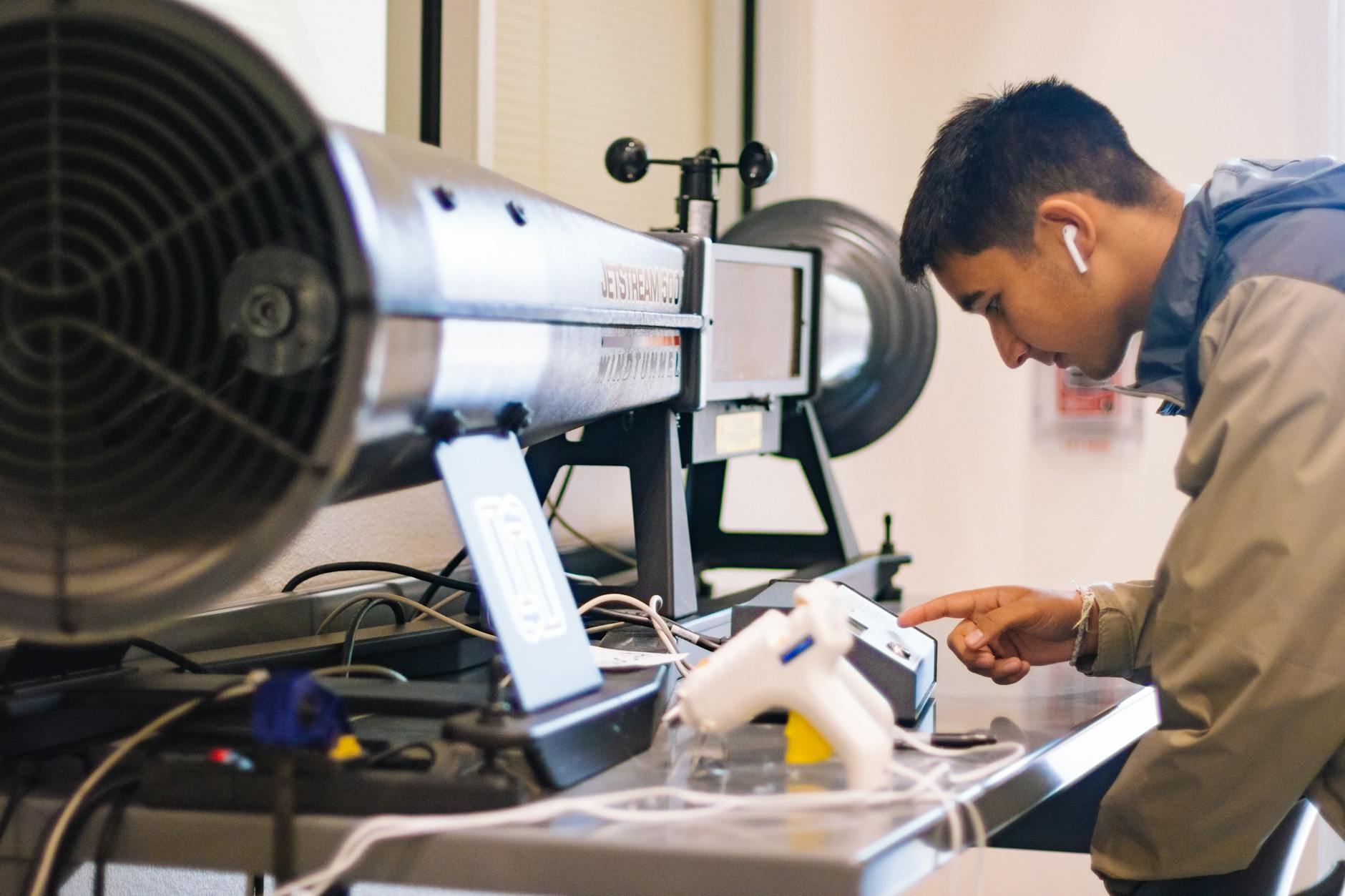
Encouraging students to ask questions, explore concepts, and engage in independent inquiry fosters critical thinking skills that are essential for academic success and lifelong learning. Inquiry-based learning encourages students to actively participate in the learning process, formulate hypotheses, conduct research, and draw evidence-based conclusions. By engaging in inquiry-based activities, students develop problem-solving abilities, deepen their understanding of complex topics, and cultivate a genuine passion for learning. Implementing inquiry-based learning strategies can spark curiosity, creativity, and intellectual growth in students of all ages.
In conclusion, exploring and testing new educational ideas is essential to refining teaching practices, engaging students, and optimizing learning outcomes. By incorporating strategies such as project-based learning, technology integration, differentiated instruction, social-emotional learning, and inquiry-based learning, educators can create dynamic and enriching classroom experiences that cater to the diverse needs of students. Embrace innovation, experiment with different approaches, and uncover the best strategies that work for your students to inspire a lifelong love of learning and academic success.
About the Author