- Importance of Sustainability in the Toy Industry
- Incorporating Recycled Materials
- Embracing Renewable Energy Sources
- Designing for Durability and Longevity
- Implementing Ethical Supply Chains
- Educating Consumers on Sustainability
- Conclusion
When it comes to the toy industry, implementing sustainable practices has become increasingly important in addressing environmental concerns. Sustainable eco-friendly toys are not only beneficial for the environment but also for the well-being of children. In this article, we will explore the best practices for sustainable business in the toy industry, focusing on how companies can create eco-friendly toys while minimizing their impact on the planet.
Importance of Sustainability in the Toy Industry
In recent years, there has been a growing demand for eco-friendly and sustainable products, including toys. Consumers are becoming more aware of the environmental impact of traditional manufacturing processes and are seeking alternatives that are better for the planet. This shift in consumer behavior has prompted many toy companies to reevaluate their practices and develop sustainable business models.
Incorporating Recycled Materials
One of the best practices for sustainable business in the toy industry is the use of recycled materials. By incorporating recycled plastics, wood, or other materials into their products, toy companies can reduce the demand for virgin resources and help in minimizing waste. Companies can also encourage the recycling of their products at the end of their lifecycle, creating a circular economy where materials are reused and repurposed.
Embracing Renewable Energy Sources
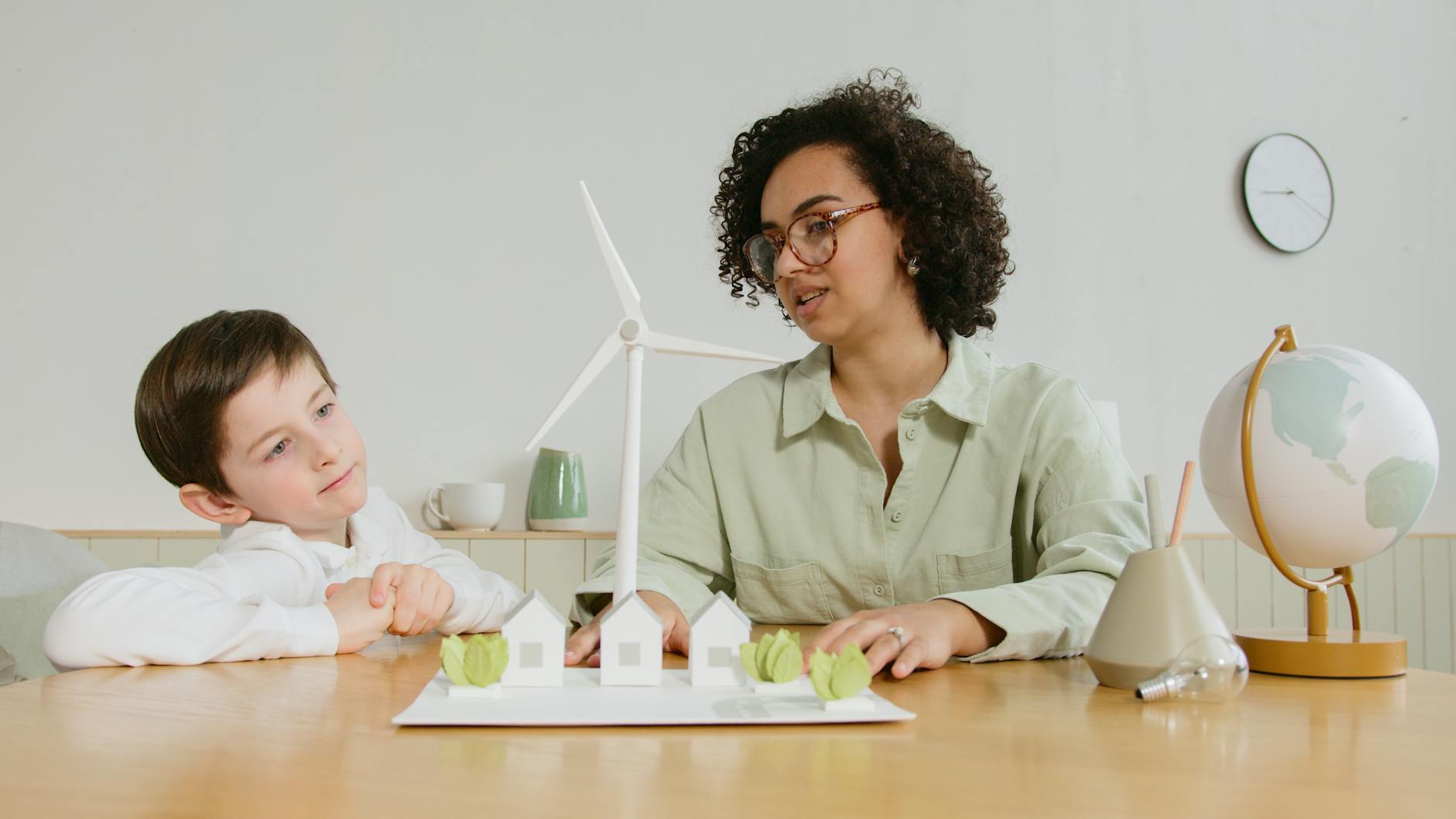
Another important aspect of sustainable business practices in the toy industry is the adoption of renewable energy sources. Toy manufacturing processes often require significant amounts of energy, which can contribute to carbon emissions and environmental degradation. By switching to renewable energy sources such as solar or wind power, companies can reduce their carbon footprint and operate in a more sustainable manner.
Designing for Durability and Longevity
Creating toys that are durable and long-lasting is key to sustainability. By designing products that can withstand wear and tear, companies can reduce the need for frequent replacements and ultimately decrease the amount of waste generated. Additionally, durable toys can be passed down or donated, extending their lifespan and reducing their environmental impact.
Implementing Ethical Supply Chains
Sustainable business practices also encompass ethical considerations throughout the supply chain. Companies should work with suppliers who adhere to fair labor practices, prioritize worker safety, and minimize environmental impact. By ensuring transparency and accountability in their supply chains, toy companies can uphold ethical standards and contribute to a more sustainable industry.
Educating Consumers on Sustainability
Educating consumers on the importance of sustainability in the toy industry is crucial for driving change. Companies can provide information on the eco-friendly materials used in their products, highlight their commitment to sustainability, and promote responsible consumption. By raising awareness and empowering consumers to make informed choices, toy companies can foster a culture of sustainability in the industry.
Conclusion
In conclusion, sustainable eco-friendly toys are not only beneficial for the environment but also for the future generations who will enjoy them. By embracing best practices such as incorporating recycled materials, using renewable energy sources, designing for durability, implementing ethical supply chains, and educating consumers on sustainability, toy companies can make a positive impact on the planet. Sustainability should be at the forefront of business decisions in the toy industry, paving the way for a more environmentally conscious and responsible future.
About the Author